One of the most common questions international buyers ask is: “Why do other sellers have such low prices while I can’t achieve the same?” The answer lies in understanding the Chinese supply chain ecosystem and the strategies that experienced buyers use to maximize their margins. Let’s break down the key factors.
Direct Factory Access vs. Middleman Markups
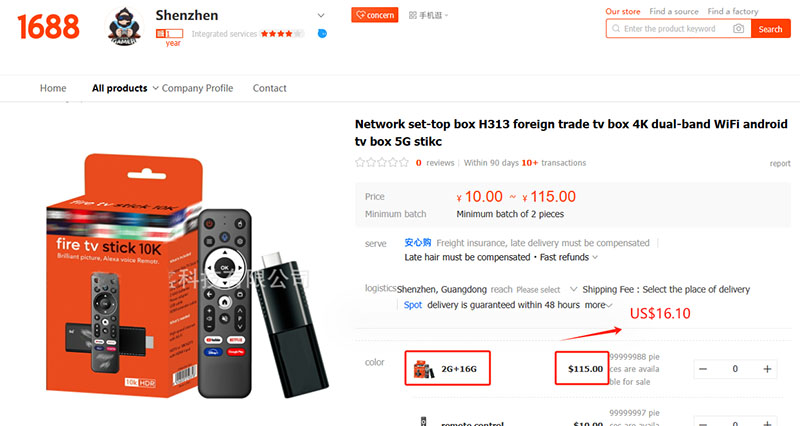
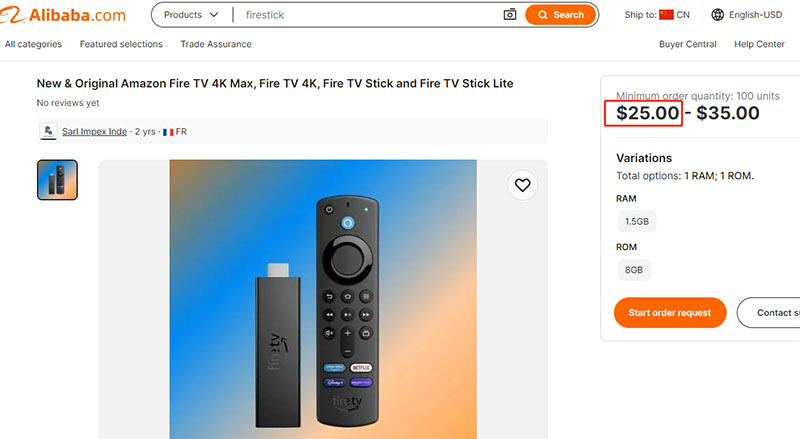
The biggest price difference comes from where you source your products. Many international buyers purchase through trading companies or export-oriented platforms like Alibaba.com, which add 15-30% markup to factory prices. Smart buyers go directly to 1688.com, China’s domestic wholesale marketplace, where manufacturers list products at factory-direct prices.
For example, a product that costs $5 on 1688.com might be listed at $8-10 on Alibaba.com and $15-20 on AliExpress. The price difference is the middleman markup.
Bulk Purchasing and Tiered Pricing
Chinese manufacturers almost always offer tiered pricing based on order quantity:
- Sample order (1-10 units): Highest per-unit price, often 2-3x the bulk price
- Small batch (50-100 units): 10-20% discount from sample price
- Bulk order (500-1000 units): 30-40% discount
- Container order (5000+ units): Maximum discount, factory-floor pricing
Buyers who can commit to larger volumes consistently get the best prices. This is why experienced importers often group orders or work with sourcing agents who consolidate shipments.
Negotiation Strategies That Work
On 1688.com, prices are almost always negotiable. Here’s how successful buyers get lower prices:
- Build relationships: Chinese business culture values long-term partnerships. Suppliers offer better prices to repeat customers.
- Buy during slow seasons: January-February (before Chinese New Year) and July-August often have lower prices as factories try to clear inventory
- Offer to pay quickly: Suppliers may offer 2-5% discounts for immediate full payment vs. installments
- Ask about stock clearance: Many factories have surplus inventory they’ll sell at cost
- Reference competitor prices: Politely mention that you’ve seen lower prices elsewhere — suppliers may match or beat them
Understanding the Full Cost Structure
Many buyers only look at the product price and forget about hidden costs. Here’s what experienced importers factor in:
- Product price: The listed price on 1688.com
- Domestic shipping in China: $1-5 per unit depending on weight and distance
- Quality inspection: $200-500 per order, or $0.50-2 per unit
- International shipping: Varies by method (sea/rail/air), typically $2-10 per unit
- Customs duties and taxes: 2-25% depending on product category and destination country
- Insurance: 0.5-1% of shipment value
Buyers who accurately calculate total landed costs can make informed decisions about pricing and margins.
Why a Sourcing Agent Can Get Better Prices
Professional sourcing agents like Dawon1688 often secure lower prices than individual buyers because:
- Bulk negotiation power: Agents combine orders from multiple clients, enabling volume discounts
- Relationships with factories: Long-term partnerships mean preferential pricing
- Language advantage: Direct Chinese communication eliminates misunderstandings that can lead to higher quotes
- Market knowledge: Agents know the true factory floor price and won’t accept inflated quotes
- Quality control: Agents inspect products before payment, reducing the risk of defective goods
Common Mistakes That Increase Costs
Avoid these pitfalls that silently eat into your margins:
- Using international platforms: Buying on Alibaba.com instead of 1688.com adds 20-30% to your costs
- Not negotiating: Accepting listed prices without bargaining leaves money on the table
- Ignoring quality: Cheap but defective products cost more in returns and reputation damage
- Poor shipping planning: Rush shipping costs 3-5x more than planned sea freight
- Not consolidating: Multiple small shipments cost far more than one consolidated shipment
The Bottom Line
The price difference between successful importers and struggling ones often comes down to three things: sourcing directly from 1688.com, negotiating effectively, and calculating total landed costs accurately. By eliminating middleman markups and building direct factory relationships, you can achieve the same low prices that your competitors enjoy.
Ready to start buying cheap goods from China? Consider working with a professional sourcing agent to maximize your savings and minimize risks.
Related Articles
- What is 1688.com?
- Advantages of Buying on 1688
- How to Buy Cheap Goods from China?
- 1688 Agent vs Trading Company
Frequently Asked Questions
Why are products on 1688.com so much cheaper than on other platforms?
1688.com offers domestic Chinese factory prices without export markups, English-language service fees, international compliance costs, or trading company margins. Products are sold at the same prices Chinese domestic buyers pay, which are typically 20-40% lower than export-oriented platforms like Alibaba.com that add layers of cost for international buyers.
How do competitors achieve lower prices when sourcing from China?
Competitors who achieve the lowest prices typically source directly from 1688.com’s domestic market, order in larger quantities for volume discounts, build long-term supplier relationships for preferential pricing, consolidate shipments to reduce per-unit logistics costs, and negotiate aggressively based on market knowledge and competitor pricing data.
What sourcing strategies lead to the lowest product costs on 1688?
Effective strategies include ordering during off-peak seasons when factories need work, building relationships with factory-direct suppliers rather than wholesalers, committing to repeat orders for better pricing, consolidating orders to reduce shipping costs per unit, and sourcing from manufacturers in specialized production hubs where competition drives prices down.
How do bulk purchasing discounts work on 1688.com?
1688 suppliers typically display tiered pricing: the more you buy, the lower the unit price. For example, 1-99 pieces might cost $5 each, 100-499 pieces $4.50, and 500+ pieces $4.00. These tiers are displayed on product pages. For orders above listed tiers, you can negotiate custom pricing directly with the supplier through the platform’s messaging system.
What role does factory location play in product pricing on 1688?
Factories in major manufacturing hubs like Shenzhen, Guangzhou, and Yiwu benefit from clustered supply chains, raw material proximity, and logistics infrastructure, resulting in lower production costs. Sourcing from these hubs on 1688 typically yields better prices and faster production compared to factories in less developed regions.
What volume discounts can I expect when ordering from 1688 factories?
Volume discounts vary by product but typically offer 5-15% savings at 2x MOQ, 10-20% at 5x MOQ, and 15-30% at 10x MOQ. Custom OEM orders have more negotiation room than ready-made products. Establishing a regular ordering pattern can also unlock loyalty discounts and priority production scheduling from manufacturers.
What hidden costs eat into the price advantage of 1688 products?
Hidden costs include domestic Chinese shipping to your forwarder, international freight, customs duties (5-25%), VAT/sales tax, customs broker fees, quality inspection costs, agent fees (if using one), currency exchange losses, and potential return or replacement costs. Calculate total landed cost to understand your true per-unit cost before pricing for resale.