A repeat order can differ because the materials, production setup, tooling, subcontractor, or product specification changed between batches. Ordinary manufacturing variation, storage conditions, and inconsistent measurement can also explain a difference. The same supplier and SKU do not prove that the same production conditions were used. Compare traceable units from both batches against the agreed requirements, establish what changed, and confirm the acceptance criteria before releasing the next order.
Key takeaways
- “Same as last time” leaves too much open. Identify the previous order, product revision, and characteristics the supplier must reproduce.
- A retained unit from the first commercial batch helps explain what customers received. It does not replace a written specification.
- Compare batches using consistent methods before deciding whether the goods are defective or the supplier downgraded them.
- Keep a disputed batch identifiable until the comparison, corrective action, and release decision are documented.
Does a different second batch mean the supplier reduced the quality?
Not necessarily. Deliberate substitution is one possible explanation, but a colour shift, tighter fit, or different surface texture does not establish the cause. These problems can occur in any manufacturing supply chain; the supplier’s location does not diagnose them.
First establish what “different” means. Does the new batch fail an agreed measurement or test, or does it look and feel different despite meeting the written limits? Both deserve attention, but they call for different conversations. A product can meet a loosely written specification and still disappoint a returning customer.
ASQ distinguishes variation inherent in a process from variation caused by unusual circumstances. That distinction helps frame an investigation, but it cannot tell you whether a particular batch is acceptable. You still need the product requirements and evidence from the actual goods. See ASQ’s explanation of manufacturing variation.
Ask the supplier to explain the difference without leading with an accusation. “The new lid does not fit the jars from purchase order A” gives the factory something to investigate. “Your quality is worse” does not.
What can change between the first order and a reorder?
The following are possible causes to investigate, not findings about your supplier. Choose the checks that match the symptom.
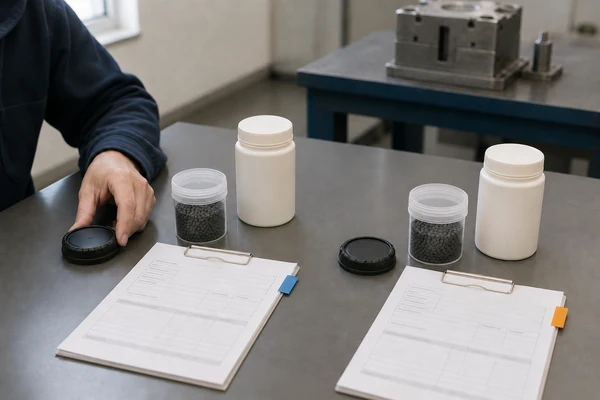
| Possible change | Difference worth investigating | Evidence to compare |
|---|---|---|
| Material or component source | Different stiffness, weight, finish, or operating behaviour | Material specification, component part number, source and lot records, relevant test results |
| Production setup or process | A change in fit, seams, bonding, print, or assembly | Process revision, setup records, production location, and checks on actual output |
| Tooling condition or cavity | Differences in dimensions, edges, parting lines, or surface detail | Tool ID, cavity identification where available, maintenance history, and measurements by cavity |
| Subcontracted work | A changed coating, decoration, sewn component, or retail package | Which business performed that operation on each order and which files it received |
| Specification or stock selection | A familiar model supplied in another revision, grade, or variant | Both purchase orders, accepted revisions, variant codes, and picking or packing records |
| Storage, transport, or comparison method | A difference noticed after arrival or only in particular photographs | Receiving condition, storage history, original records, and a repeat comparison under controlled conditions |
The unit price tells you little about which material was used. Request the specified grade and actual source records, whether the price stayed the same or fell.
Also check what “first batch” means. If the earlier units were hand-finished development samples, you are comparing sampling with production. If they were goods from a completed commercial order, you are comparing production lots. Make that distinction before asking the supplier to reproduce them.
How do you make a fair comparison between two batches?
Identify the units before testing them
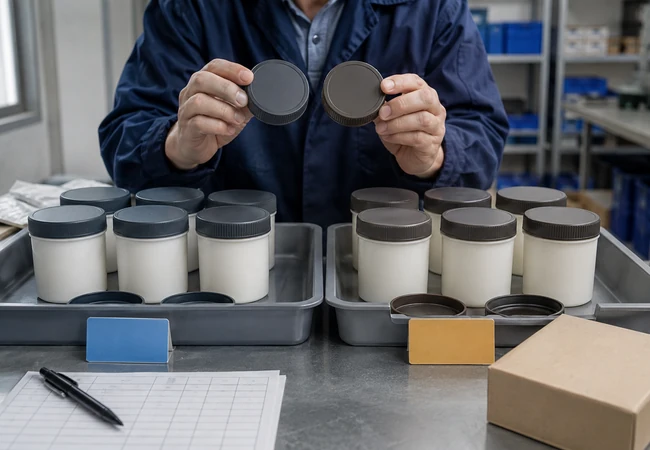
Label each comparison unit with its purchase order, product revision, batch reference if available, and where it came from. Record whether it was unused, displayed, washed, assembled, or returned by a customer. Photograph the labels alongside the units so the evidence remains understandable after the products move.
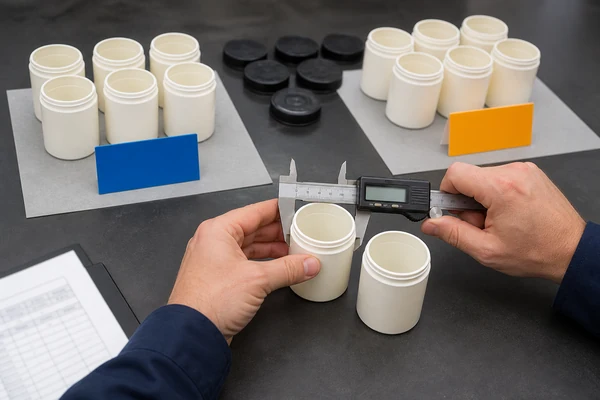
Do not use one unusually good first-batch unit and one visibly poor reorder unit to represent both shipments. Choose a comparison plan appropriate to the product, lot structure, and risk, with a competent inspector or laboratory where needed. Record the selection method and its limits; a few hand-picked examples cannot establish the defect rate of an entire lot.
Use the same method for the same characteristic
Compare like with like: the same measurement location, orientation, units, test procedure, and relevant environmental conditions. For appearance, place the goods together under consistent lighting. For fit, use identified mating parts. Record the instrument and operator when measurements matter.
NIST’s guidance on gauge repeatability and reproducibility explains how measurement systems can contribute variation. If two parties disagree about a small dimensional difference, first have them measure the same identified units using an agreed method. Escalate to qualified measurement support if the disagreement remains.
Record results against the agreed requirement
For each characteristic, list the requirement, first-batch result, reorder result, method, and conclusion. Keep “different from the earlier batch” separate from “outside the agreed limit.” If no limit was agreed, say so. Do not invent a tolerance after delivery and present it as an original condition of purchase.
If you need to formalise the reference for future production, use the product sample approval checklist. For this investigation, preserve the historical records as they were.
What should you ask the supplier once a difference is confirmed?
Send a short comparison record and ask for an order-to-order explanation. A useful message is:
We found a difference between the units identified in the attached first-order and reorder records. Please confirm which material sources, component references, tools, production locations, process revisions, and subcontracted operations were used for each order. Identify any changes, the batches affected, and the evidence supporting your explanation. Please propose a correction and how we can verify it.
Keep proposed causes and confirmed causes in separate columns in your investigation notes. “The material supplier probably changed” is a lead to follow. A linked purchasing record, material identification, and relevant test result provide a stronger basis for a conclusion.
If the factory says the difference is normal, ask which agreed criterion makes it acceptable and how that was checked. If it says nothing changed, focus on the records relevant to the characteristic that shifted. The comparison needs an explanation you can check.
A supplier may not disclose a proprietary manufacturing recipe. Focus the request on what is necessary to establish conformity, trace the affected goods, and verify the correction. Where access is limited, discuss an independent check and record what remains unverified.
What should be written into a repeat-order specification?
A reorder should carry a current, accepted specification. Referencing an old order is useful, but identify which requirements continue and which have changed.
| Record | What to confirm |
|---|---|
| Order and revision link | Previous purchase order, new purchase order, SKU, and accepted drawing or specification revision |
| Product requirements | Relevant materials, components, dimensions, function, appearance limits, and test methods |
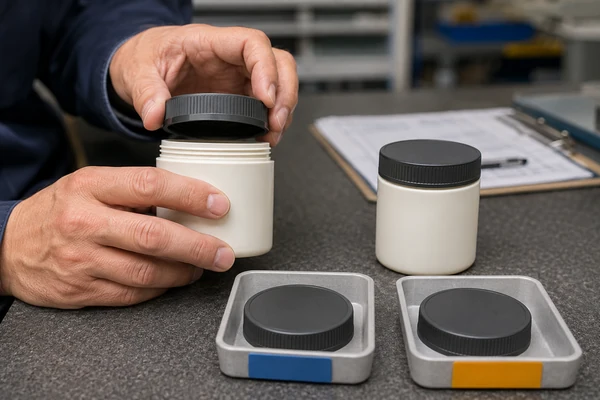
| Reference evidence | Approved sample ID, retained commercial-batch units, earlier inspection results, and how conflicts between references will be resolved |
| Change disclosure | Changes requiring buyer approval, the proposed change, its possible effects, and verification before release |
| Batch identification | How the supplier and receiving warehouse will distinguish production lots and link them to order records |
| Reorder acceptance | Checks needed for this run, responsible reviewers, and the evidence required before shipment |
Write down what you learned from customer feedback. If customers buy replacement parts, specify which earlier revisions they must fit. If products are sold as a matching set, define how appearance will be assessed across batches. These requirements may have been irrelevant to an isolated sample but important once the product reached customers.
Correct conflicting files before ordering. A drawing, sample, and email that describe different products cannot all serve as the controlling reference. Have the supplier accept the resolved version rather than expecting production staff to infer your preference.
When should you check the new production run before it continues?
An early check is particularly useful when the previous order had an unresolved problem or when the supplier has changed a material, tool, line, site, or production method. Agree on a check of first-off units: actual output from the new run, rather than another specially prepared showroom sample.
The check should target the likely consequence of the change. A tooling repair calls for attention to affected dimensions and fit. A new decoration process calls for appearance and relevant durability checks. The product and risk determine whether you need physical samples, measured results, an on-site inspection, or laboratory work.
One acceptable first-off unit does not establish the quality of everything produced afterward. Keep the appropriate in-process and final checks. The guide to monitoring production after a supplier deposit covers that ongoing work.
What if the different batch has already arrived?
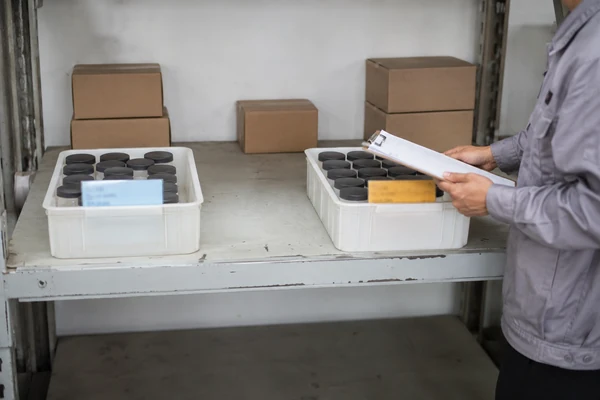
Keep the affected goods separate from approved stock while you investigate. Record carton IDs, quantities received, quantities already sold, and where the remaining units are stored. Preserve representative evidence before repacking or reworking products.
Before agreeing to a fix:
- Establish the affected batch or batches and the limits of the evidence.
- Evaluate the difference against agreed requirements, intended use, and any safety or compliance concerns.
- Ask the supplier to propose what happens to the goods: sorting, rework, replacement, or another negotiated resolution.
- Confirm the scope, responsibilities, timing, costs, and verification method in writing before corrective work begins.
- Document the release decision and the corrective action intended to prevent a recurrence.
A discount does not correct a fit problem or make an unsafe product acceptable. If a change may affect safety or regulatory compliance, hold the affected goods from sale and obtain product-specific advice promptly, including any required action for goods already distributed.
For example, U.S. CPSC guidance explains that material, design, or manufacturing changes can affect compliance of regulated general-use products; affected requirements may need retesting and the General Certificate of Conformity may need updating. This is not a blanket requirement to test every shipment. See the CPSC’s general-use product testing guidance; other markets and children’s products have different rules.
Whether a refund, replacement, or cost recovery is available depends on the agreement and applicable rules. Preserve the records and check relevant claim deadlines rather than assuming a remedy is automatic.
How can you reduce the chance of another inconsistent reorder?
Maintain a short history for each product revision. Link each purchase order to its production lots, inspection results, approved deviations, complaints, and corrective actions. Give the supplier the relevant findings before the next quotation and production release.
If you accept a cosmetic difference for one order only, identify the lot and put that limit in writing. Otherwise, the supplier may treat the exception as your preference for future orders.
Verify the correction in the next run. If the proposed fix was to restore a component, confirm the component and test the affected function. If it was a setup correction, examine actual output. Keep the normal final acceptance process; the bulk-order inspection guide explains how to review a finished lot.
Repeated unexplained changes, missing traceability, or corrections that do not hold are reasons to reassess the supplier. Moving factories also creates a new production setup, so a replacement supplier needs its own qualification and production verification.
Can Dawon1688 help with a repeat-order problem?
Dawon1688 can help coordinate supplier communication, sample handling, basic product checks, and third-party inspection or testing when required, subject to the agreed service scope. Start with both order references, the accepted specification, photographs identifying the difference, and the location of the goods.
Contact Dawon1688 about your repeat order to discuss what can be checked in China and what requires specialist testing. A photograph may document an appearance difference; it cannot by itself confirm a material’s composition or a product’s compliance.
Final answer
A successful first order gives you a useful reference for the next one. Keep that reference tied to the actual goods and written requirements. When a reorder differs, establish the cause and verify the correction before treating the problem as resolved. Update the next order’s instructions while the details are still clear.
Frequently asked questions
1. What if I no longer have a unit from the first production batch?
Use the original inspection measurements, dated photographs, accepted specification, and any traceable retained units held by the supplier or inspector. State the limits of that evidence. A new sample made today cannot prove what the first shipment contained. You can still assess the reorder against written requirements even when a direct physical comparison is no longer possible.
2. Can the same SKU cover several different production batches?
Yes. An SKU identifies a stock item in a particular inventory system; it does not necessarily identify when or how each unit was produced. Maintain a separate batch or lot reference and link it to the supplier’s records. If the product specification changes, also decide how the revision will be distinguished in your ordering and warehouse systems.
3. Why do new components fail to fit older stock when their individual dimensions pass?
Separate dimensional limits may not fully describe the assembled fit. The combination of dimensions, shape, and assembly conditions can matter. Test the relevant old-and-new component combinations and have a qualified technical reviewer assess the interface requirements. Do not widen limits simply to make a failing combination pass; define and verify the compatibility customers actually need.
4. Does a successful small first order prove the supplier can repeat it at a much larger volume?
No. Ask whether the larger order will use the same production method, equipment, sites, and component sources. A successful small run does not demonstrate the performance of a different setup or additional lines. Agree on checks of the actual scaled production and keep results traceable to the lines or lots involved.
5. Do I need another sample if I reorder after a long gap?
The time gap alone does not determine the answer. Ask what has changed since the earlier run, including component availability, tooling condition, production location, and specification. Request verification from the upcoming run when those changes could affect the product. An old sample still sitting in the supplier’s office does not establish current production capability.
6. Can customer returns be used to compare the first and second batches?
They can help investigate a complaint if you can identify the batch, but record use, cleaning, storage, and damage history. A used or repaired return is not equivalent to an unused retained unit. Keep returned goods as complaint evidence and, where possible, compare unused traceable units separately before attributing a difference to manufacturing.
7. Should leftover first-batch stock and a repeat order go into the same warehouse bin?
Keep them separate while the new batch is awaiting acceptance or under investigation. After release, store them together only if the warehouse can preserve the batch identity needed for picking, compatibility, and complaint tracing. If its system cannot do that, separate bins or clearly labelled containers make later investigations more manageable.