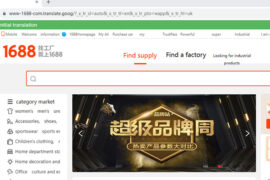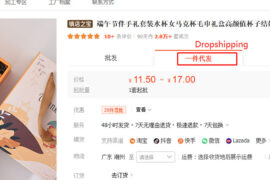
Before using a 1688 supplier’s photos in your online store, confirm that the rights holder or an authorized licensor permits your intended use. Ask about the exact files and the channels where you plan to publish them. Include any edits you want to make.
Ask while discussing the order, before your designer starts work. A folder from the supplier may arrive without details about who created the photographs or how you can use them. The steps below help a purchasing team collect those answers. Have qualified advisers resolve uncertain rights or license terms for the markets involved.

Find out who can give permission
Start with the supplier’s original image files and a numbered contact sheet. Ask who created each group of photographs and whether the supplier owns the relevant rights or has authority to license them to downstream sellers. Product-only photographs and lifestyle images may come from different sources.
The U.S. Copyright Office’s guide to obtaining permission explains that the first person you contact may not control the rights. A rights owner may also use an authorized agent or licensing service. Ask the supplier to identify the appropriate person and provide the relevant permission or licensing terms.
If the reply is only “everyone uses these,” ask who can authorize your use. A matching image in several shops does not establish who can authorize its reuse. Likewise, buying the product or receiving a downloadable folder does not by itself establish a license for your store.
The UK Intellectual Property Office’s image guidance notes that photographs are generally protected and that a missing copyright notice does not remove that protection. Copyright exceptions and other lawful bases can apply, but do not assume an ordinary sales listing qualifies.
Describe the uses you actually need
Be specific about your plans. A reply to “Can I use your pictures?” may leave you unsure whether the same photos can appear in a paid ad or be passed to your designer. Include the following in your request:
- Identify the filenames or numbered thumbnails, including any diagrams or text embedded in them.
- Name your business and the website, marketplace storefronts or social accounts where the images will appear.
- State whether you want ordinary product listings, unpaid social posts, paid ads or printed catalogs.
- Describe planned edits, such as cropping, background changes, translated text or overlays.
- Explain your intended markets. Ask about time limits, attribution and conditions on continued use.
- Ask whether your designer or advertising agency may work with the files. If you supply other retailers, ask separately whether you can pass the images to them.
Ask for a written reply that refers to the identified files and answers each relevant point. If a supplier sends separate license terms, read those alongside the reply and resolve inconsistencies. The UK’s copyright licensing guidance explains that permission can be limited by purpose, time or place.
A request you can adapt
For product model [model] and images [file list], please confirm who owns the photographs and who can authorize our use. We want to use them for [business and named channels], including [advertising uses], in [markets]. We plan [specific edits]. Please provide the applicable permission or license, identify any restrictions, and confirm whether our appointed designer may work with the files for these uses.
Use this to collect the supplier’s answer. Have any unresolved ownership or licensing terms reviewed before publication.
Check that each photograph shows the product you are buying
Review the image folder beside the agreed SKU and variant list. Ask the supplier to identify which photograph belongs to each model, color, size and supplied set. Note pictures that show an older version, an optional accessory or packaging that is not included.
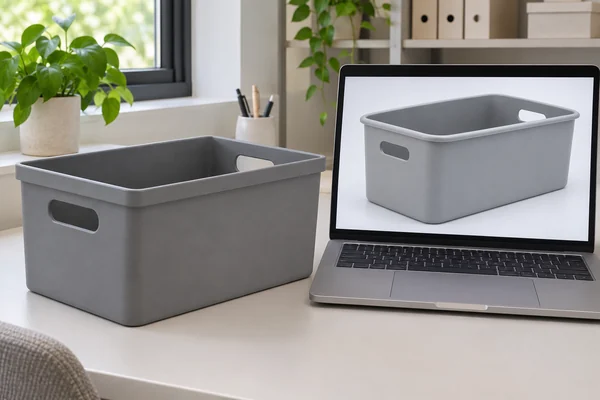
Consider a hypothetical order for a two-tray desk organizer. The supplier sends a photograph of its three-tray version. Even with permission to use that image, you still need a photograph of the version your customer will receive. Ask for the correct file or arrange new photography.
For Google listings, Merchant Center’s image requirements address accurate product representation and variant images. Check the current rules of each channel you use. A supplier’s permission does not replace those rules.
Give your designer a short list of confirmed product details. Keep a record of permitted edits, then check the finished images for changed colors, removed components or accessories accidentally added to a set. Background replacement should not make the product appear to have features it lacks.
Check people, brands and artwork separately
A lifestyle image may include a recognizable person, another company’s logo or artwork in the background. Ask what permissions cover those elements and your intended use. A license for the photograph may leave these questions unresolved.
WIPO’s overview of intellectual property in advertising distinguishes copyright, trademarks and a person’s publicity or privacy rights. Requirements depend on the place and context of use. Have uncertain cases reviewed rather than treating a supplier’s general approval as clearance for everything shown.
Do not remove a watermark or copyright information to work around an unclear permission. Ask for an authorized file and agreed editing terms. If the image suggests another brand endorses your product, resolve that issue before handing it to the marketing team.
Keep the permission with the image files
Create a folder for each approved image set. Keep the originals, the supplier’s identity and contact details, the rights holder or authorized licensor’s response, any attached terms, and the date of the exchange. Preserve the original-language reply alongside its translation.
Give whoever uploads the images a short register with:
- Filename or thumbnail number and matching buyer SKU.
- Permission source and location of the written record.
- Allowed channels, uses and edits.
- Conditions, expiry or review date, where applicable.
- Final file version and the listings or campaigns using it.
Separate files awaiting clarification from those released for a specified use. When new images arrive, check their source and scope instead of assuming the previous reply covers them. If you change agencies, include the restrictions in the handoff.
Keep the record accessible after launch so a later team member can check a proposed new use against the original permission.
If the supplier cannot provide a usable answer
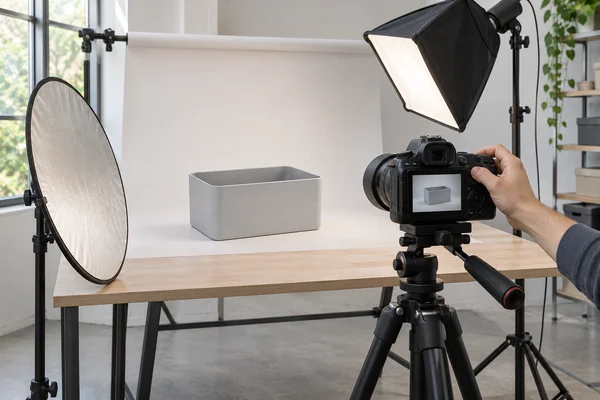
Ask whether the manufacturer or photographer can supply an authorized image set. If that does not resolve the issue, consider photographing the actual product yourself or commissioning photography with agreed rights and deliverables.
Make the correct product revision and its included accessories available for the shoot. Your approved sample record can help identify the version to photograph. For commissioned work, settle the intended channels, editing rights, delivery files and any necessary releases with the photographer before the shoot.
Keep sales photography separate from warehouse or inspection evidence. A receiving photograph can help identify goods but may not be suitable for a public listing. Ask about commercial photography separately rather than assuming it is included in an inspection service.
Ask Dawon1688 to coordinate the supplier questions
Send Dawon1688 your product links and image-permission questions, together with the selected image references, intended sales channels and planned edits. Ask for a quote to help contact the suppliers, collect available files and obtain their written replies.
Confirm the scope and fee for your order. Dawon1688’s role here is supplier communication and document collection. You decide which images to publish, with legal advice where needed; collecting a reply does not guarantee that the supplier has granted sufficient rights.
Frequently asked questions
1. Can I copy photos directly from a 1688 listing?
Confirm the applicable permission before using them in your store. Identify the exact files, the person entitled to license them and the uses covered. The fact that a photograph is visible or downloadable does not settle its reuse rights.
2. Is the supplier’s chat reply enough?
Keep the reply, but check who sent it and what it permits. Ask how that person is entitled to authorize your use and obtain any relevant license or supporting authorization. Have unclear terms reviewed rather than treating a short chat approval as sufficient.
3. Can I edit the image or remove its watermark?
Confirm editing rights first and request an authorized clean file. Do not remove a watermark or copyright information to bypass an unresolved permission. Check the finished image still shows the actual product accurately.
4. Does permission for my website cover paid ads?
Check the scope. Identify paid advertising, social media and marketplace listings separately in your request. Permission limited to one use should not be assumed to cover another.
5. What if several suppliers use the same photograph?
Ask where the file came from and who can authorize your use. Seeing it in several stores does not answer either question. If the source remains unclear, choose an authorized image or arrange new photography.
6. Can I use the same photo for every color or size?
Map each image to the version it accurately represents and check your sales channel’s rules. Request a different photograph where color, shape, components or other visible details change. Do not let the image imply a different product or included set.
7. Will taking my own photographs resolve every rights issue?
It gives you control over creating the photograph, but people, branding, artwork or protected designs shown in it can raise separate questions. If you hire a photographer, agree the rights and permitted uses rather than assuming payment transfers everything.
8. Can Dawon1688 obtain image permission for me?
Send Dawon1688 the product links, selected image references and intended uses. Ask which supplier-contact and document-collection steps it can coordinate. The reply must come from someone with the necessary authority; this coordination does not guarantee sufficient rights.