Before confirming a bulk 1688 order, agree which translated product instructions will accompany each model and who will approve their technical content and translation. A fluent translation can still describe the wrong controls, omit an assembly step or refer to an accessory that is not supplied.
For an existing product, request the current manual before ordering. For a custom product still under development, agree the review process first and approve the finished instructions against the final product configuration before printing.
This guide covers the purchasing and supplier-coordination work behind that approval. Required languages, warnings and specialist reviews depend on the product and destination. Have the responsible manufacturer, importer and qualified advisers confirm those requirements.
Match the source manual to the exact product
Ask the supplier which model and product revision the source manual describes. Compare it with your order specification, current photographs and supplied accessories. A similar-looking product in the same listing may have different fittings, controls or assembly steps.
For example, a hypothetical desk organiser has two versions: one with removable dividers and another with fixed compartments. Instructions showing removable parts would mislead buyers of the second version, even if every sentence were translated correctly.
Create a short reference record before translation begins:
- Supplier model, buyer SKU and product revision.
- Included components and accessories.
- Source-manual filename, date and revision.
- Destination countries and required language versions.
- Current product photographs and approved illustrations.
If the product identity is still unclear, settle the SKU and order specification first. Ask whether the supplier has permission to provide editable text and illustrations for your intended use. Do not assume that a downloaded manual belongs to the supplier.
Separate technical review from language review
Name the people responsible before sending files around. The supplier may understand how the product works but lack the skills to review the target language. A translator may write clearly but need clarification about a part or operating limit.
| Role | Main question | Approval record |
|---|---|---|
| Technical reviewer | Does this describe the actual product correctly? | Confirmed facts and resolved queries. |
| Target-language reviewer | Is the meaning accurate and understandable? | Reviewed translation and terminology. |
| Buyer release owner | Are the required reviews complete? | Approved file, languages and revision. |
Arrange qualified engineering, safety or compliance review where needed. Administrative approval by the buyer does not replace those responsibilities.
IEC/IEEE 82079-1:2019 addresses information quality, preparation processes and the competencies needed to produce instructions. Its published scope is a useful reference when defining the work; citing it alone does not establish compliance for a particular product.
Resolve unclear source text before translating it
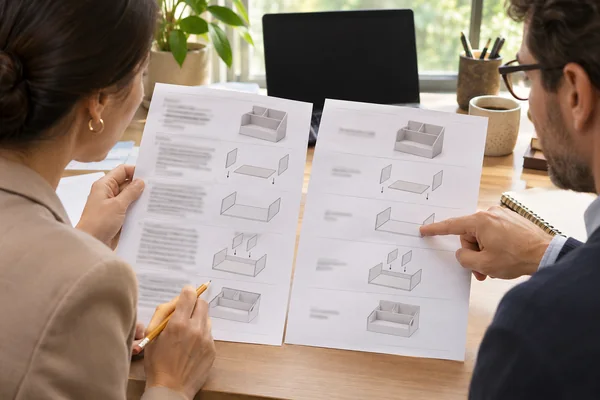
Read the source with the technical reviewer. Mark missing steps, unexplained part names and statements that conflict with the supplied model. Return specific questions to the supplier instead of asking the translator to infer what the writer intended.
Keep a query list with the page, disputed wording, supplier answer and approved correction. A photograph or short demonstration can help clarify an ordinary operation, but the answer must also reach the written source.
For repeated terms, prepare a small glossary linking the source term, approved translation and matching part or control. Use the same name in the parts list, diagram and procedure. Agree how to handle words printed on the product itself, so customers can locate the control described.
Machine translation may assist preparation. Do not treat its output as the final technical or language approval. Have the appropriate reviewers check the meaning, particularly limits, prohibitions and safety-related wording.
Review pictures, controls and units together
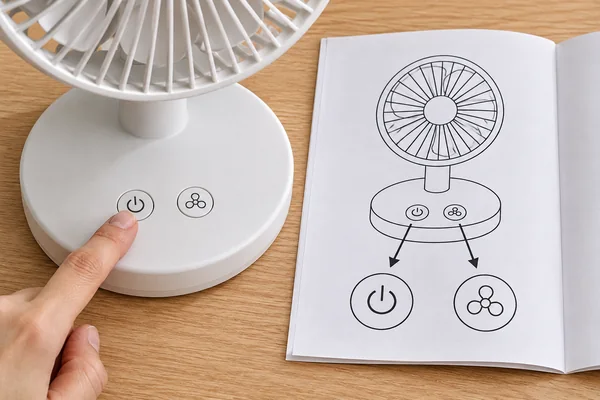
Review the translation beside the actual product references. A text-only check can miss a diagram copied from an earlier version or an instruction pointing to a control that has moved.
- Do names and diagram numbers identify the components supplied?
- Do labels, icons and described actions match the product?
- Are quantities, dimensions and limits preserved accurately?
- Are prerequisites stated before the step that needs them?
- Do page numbers and illustration references lead to the right place?
Ask the technical reviewer to approve any conversion or rounding that could change meaning. Do not silently convert a specification or replace an unfamiliar unit with an approximate value.
The OPSS study of manual design reviewed product identification, safety information, layout and text style among its criteria. Its scope was 25 large household-appliance manuals, so use it as a reference for review questions rather than evidence about every product category.
Check whether the instructions can be followed
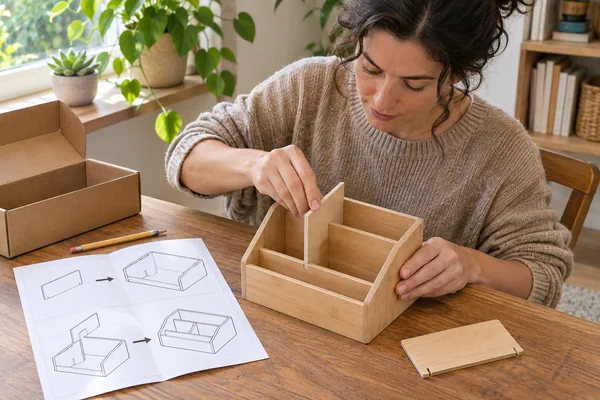
Arrange a walkthrough of ordinary, intended tasks with the correct product and the proposed instructions. Choose someone who reads the target language and is suitable for the intended audience. Record where they hesitate, cannot identify a part or need an explanation absent from the document.
For a simple assembly product, this might mean checking the supplied parts, following the assembly sequence and finding the care instructions. Avoid coaching the reader through unclear steps; record the problem, then revise it with the responsible reviewers.
The evaluation section of the CPSC’s 2003 guide to consumer product instructions recommends checking accuracy with product experts and evaluating instructions with the product and representative users. This staff guide is guidance, not a rule.
A supplier demonstration or informal walkthrough can reveal obvious errors, but it is not a safety assessment or formal usability study. Do not improvise hazardous tests. Keep product acceptance checks in the separate sample-approval process and arrange specialist evaluation where required.
Carry product changes into every affected language
Give the approved source and each translation a revision identifier. Keep a list showing which language file belongs to which source revision and product configuration.
Require the supplier to flag changes that affect the instructions, such as a renamed control, different accessory or revised assembly step. Identify the affected pages and languages, obtain the necessary reviews and record the first order or batch using the change.
For example, changing a latch may require a new diagram and a revised release instruction. Updating the English text alone leaves other customers with an obsolete procedure. Close the change only after all affected versions have been reviewed.
Approve the final document and hand it to the packer
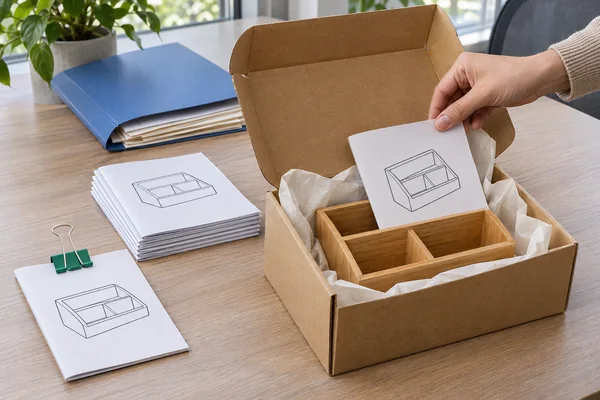
After content approval, review the formatted file for missing text, page order, readable diagrams and correct language. Check a physical print at the intended size where printed instructions are supplied.
Give the packer a clear model-to-language-to-revision list. Decide what happens to superseded manuals before new stock is used. If several suppliers contribute to a set, include this list in the retail-kit instructions. Packing checks should confirm the approved document is present; they cannot determine whether its translation is technically correct.
Send Dawon1688 the product and manual references
Contact Dawon1688 with your product links, model list, current manuals, destination markets and unresolved supplier questions. Ask which document-collection and supplier-communication steps can be coordinated for your order.
Identify who will provide professional translation, technical review and compliance decisions. Confirm their scope and fees separately. Document collection and supplier communication do not replace those specialist approvals.
Frequently asked questions
1. Can I use the English manual supplied by a 1688 seller?
Request it, but check which model and revision it covers. Compare its parts, controls and instructions with the goods you intend to buy. Have a competent reviewer check the language and resolve technical uncertainties with the manufacturer before approval.
2. Who should approve the translated instructions?
Assign technical accuracy to a reviewer who understands the product, language accuracy to a competent target-language reviewer, and final release to a named buyer representative. Add qualified safety or compliance review where the product requires it.
3. Is machine translation enough for a product manual?
Use it only as part of a reviewed process. It can preserve an error in the source or misinterpret a technical term. Check the final text against the product and approved source, with appropriate expertise for safety-related content.
4. Can one manual cover several similar models?
Only if it clearly identifies the models covered and makes their differences understandable. Review each variant’s parts, controls and procedures. Where readers could follow the wrong instructions, use clearer model-specific sections or separate documents.
5. Does every product need instructions in every language?
Requirements depend on the product and market. The EU’s importer guidance addresses required instructions and safety information in languages understood by users under the destination country’s rules. Confirm the applicable requirements before ordering translations.
6. What if the supplier changes the product after translation?
Identify which instructions, pictures and languages are affected. Update the source, review the corresponding translations and record the product revision each document covers. Tell the packer which version applies to the next order.
7. Can a QR code replace the printed manual?
Do not assume it can. Confirm the permitted delivery format for your product and destination. If a digital version is used, check that the link reaches the correct model, language and revision and assign responsibility for maintaining access.
8. What should I send when asking Dawon1688 for help?
Send the product links, model and accessory list, current manual files, intended markets, languages and supplier questions. Explain who will approve the technical content and translation, then ask which coordination work can be arranged.