Importing products 1688.com/buy-from-china-and-sell-on-amazon”>from China has become increasingly popular, attributing to the country’s vast manufacturing capabilities and competitive prices. One of the prominent platforms for sourcing products is 1688.com. In this article, we will provide a step-by-step guide on how to import from China using 1688.com and start a thriving business.

1. Research and Identify Your Market
Before delving into importing, it is crucial to conduct thorough market research. Identify the target market for your products, determine the demand, and assess the competition. By understanding your market, you can tailor your product selection to meet consumer needs effectively.
2. Choose Reliable Suppliers on 1688.com
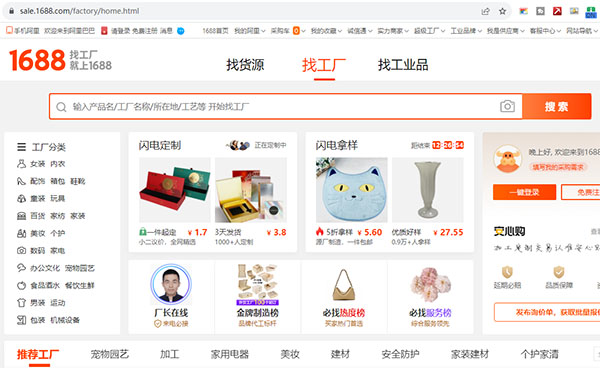
1688.com is an excellent platform for finding Chinese suppliers and manufacturers. To ensure a successful import venture, select reliable suppliers with good track records. Pay attention to their product quality, certifications, and customer reviews. Additionally, communicate with potential suppliers to establish a good working relationship and negotiate favorable terms.
3. Verify Supplier Credentials
To mitigate risks, it is essential to verify the credentials of your chosen suppliers. Request product samples to assess quality, check if they have the necessary certifications for your target market (e.g., CE, FDA), and validate their business licenses. Conduct due diligence by researching their reputation and history. This will help you avoid scams, counterfeit products, and unreliable suppliers.
4. Understand Import Regulations and Taxes
Familiarize yourself with the import regulations and taxes imposed by your Country. Each nation has specific rules and requirements for importing goods. Research customs duties, product-specific regulations, and any necessary permits or licenses. Complying with these regulations is essential to avoid delays, penalties, and other legal issues.
5. Arrange Shipping and Logistics
Once you have finalized your product selection and supplier, you need to plan for shipping and logistics. Decide on the most suitable shipping method, such as air freight or sea freight, based on factors like cost, speed, and the nature of your products. Consider hiring a freight forwarder to handle the complex logistics and ensure smooth transportation.

6. Manage Payments and Currency Exchange
Work out the payment terms with your suppliers and establish a secure payment method. Platforms like Alibaba’s Trade Assurance provide buyer protection, ensuring a safer transaction. Additionally, consider the currency exchange process and evaluate the most cost-effective method for converting currencies, such as using a reliable foreign exchange service.
7. Track and Monitor Your Shipment
Keep a close eye on your shipment’s progress to ensure timely delivery. Track the package using the provided tracking number and communicate with the logistics provider regularly. Address any potential issues promptly, such as customs clearance or transportation delays, to avoid disruptions to your business operations.
In Summary
Importing from China through platforms like 1688.com offers significant opportunities for entrepreneurs. By conducting thorough research, selecting reliable suppliers, understanding import regulations, and managing logistics effectively, you can start a successful import business. Remember to stay diligent, adaptable, and focused on delivering quality products to your target market.
For more information, visit international trade — learn about import/export fundamentals.
Frequently Asked Questions
How do I turn China imports into a profitable business?
Build a profitable import business by sourcing products at low factory-direct prices from 1688.com, calculating accurate total landed costs (including shipping, duties, and taxes), setting competitive retail prices with healthy margins, building a brand or sales channel (Amazon, Shopify, wholesale), and managing inventory turnover to avoid cash flow issues.
What business models work best with Chinese imports?
Effective models include private label selling on Amazon FBA, dropshipping (with inventory in China), wholesale to local retailers, direct-to-consumer e-commerce (Shopify), and seasonal product flipping. Each model has different capital requirements, risk levels, and scalability. Choose based on your budget, time commitment, and target market.
How do I price products imported from China for resale?
Use the ‘landed cost plus margin’ formula: product cost + shipping + customs duties + handling fees = landed cost. Then add your desired profit margin (typically 50-200% for retail, 20-40% for wholesale). Research competitor pricing in your market and adjust your margin to remain competitive while covering operational costs like marketing and returns.
What tax implications should I know when importing from China for business?
Importing for business typically involves paying import duties (based on HS code), VAT or sales tax on imported goods, and income tax on profits. Some countries offer duty drawbacks or free trade zone benefits. Keep detailed records of all import-related expenses for tax deductions. Consult a tax advisor familiar with international trade.
How do I find customers for products imported from China?
Build sales channels through e-commerce platforms (Amazon, eBay, Shopify), social media marketing (Instagram, TikTok, Facebook ads), wholesale partnerships with local retailers, B2B marketplaces, and direct outreach to potential buyers. Start with one channel, master it, then expand. Product quality and competitive pricing are your strongest selling points.
Should I import generic or branded products from China?
Generic products offer lower costs and faster startup but face price competition. Branded or private label products require higher initial investment (custom packaging, branding) but command premium prices and build long-term brand equity. For new importers, start with generic products to learn the process, then transition to private labeling as you grow.
What inventory management strategies work best for Chinese imports?
Use just-in-time ordering for fast-selling products with short lead times, maintain safety stock for bestsellers to avoid stockouts during long shipping periods, use the ABC analysis method (prioritize high-value, high-turnover items), and leverage 1688’s low MOQs to test products before committing to large inventory. Seasonal planning is crucial given Chinese New Year production shutdowns.