
It has become a popular choice to import electronics from China for businesses and individuals worldwide due to the country’s vast manufacturing capabilities and competitive prices. In this article, we will provide you with a step-by-step guide on how to import electronics from China, with a particular focus on utilizing the popular online platform 1688.com.
1. Research and Identify Your Target Products:
Before diving into the importation process, it is crucial to conduct thorough research and identify the specific electronics you wish to import. Consider factors such as market demand, product quality, and potential profit margins. This initial stage will help you narrow down your options and focus on the most promising products.
2. Understand Import Regulations and Requirements:
Familiarize yourself with the import regulations and requirements of your home country. Each country has its own set of rules, including product certifications, customs duties, and import restrictions. Consult with relevant authorities or seek professional advice to ensure compliance and avoid any legal issues.
3. Utilize 1688.com for Product Sourcing:
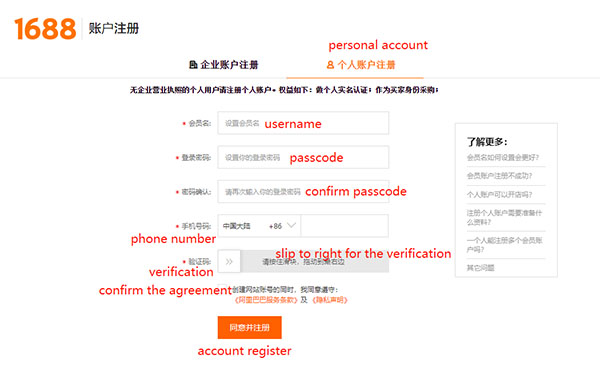
1688.com, a popular wholesale marketplace in China, is an excellent platform for sourcing electronics. It offers a wide range of products at competitive prices. Sign up for an account on the website and familiarize yourself with its features and functionality.
4. Verify Suppliers and Conduct Due Diligence:
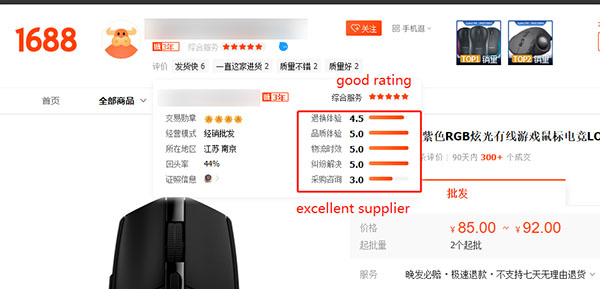
When dealing with suppliers on 1688.com or any other platform, it is essential to verify their legitimacy and reputation. Look for suppliers with high ratings and positive reviews. Communicate with them to discuss product specifications, pricing, minimum order quantities (MOQs), and shipping options. Request samples to assess product quality before making a bulk purchase.
5. Negotiate Pricing and Terms:
Negotiation is a crucial part of the importing process. Seek competitive pricing from different suppliers and compare their offers. Keep in mind that quality should be a priority over price. Negotiate terms such as payment methods, delivery deadlines, and return policies. Establish a clear understanding to avoid any misunderstandings later on.
6. Arrange Shipping and Logistics:
Once you have finalized the product selection and negotiated with the supplier, it’s time to arrange shipping and logistics. Consult with freight forwarders or shipping agents to get quotes and choose the most suitable shipping method for your needs. Consider factors such as cost, transit time, and reliability.

7. Manage Customs and Import Procedures:
Before your products can enter your home country, they will need to go through customs clearance. Ensure you have all the necessary documentation, including commercial invoices, packing lists, and certificates of origin. Familiarize yourself with the customs procedures and requirements of your country to facilitate a smooth import process.
8. Track and Monitor Your Shipment:
Once your products are shipped, track and monitor their progress using the provided tracking number. Stay in touch with your supplier and shipping agent to address any potential issues or delays promptly. Efficient communication and proactive monitoring can help resolve problems and ensure timely delivery.
9. Quality Control and Post-Importation Actions:
After receiving your products, conduct a quality control check to ensure they meet your expectations. If any issues arise, communicate with your supplier to find a suitable resolution. Keep records of your importation process for future reference and analysis.
In Summary:
Importing electronics from China can be a profitable venture if approached with proper planning and execution. By following the steps outlined in this guide, utilizing platforms like 1688.com, and staying informed about import regulations, you can navigate the process successfully.
Remember to conduct thorough research, verify suppliers, negotiate effectively, and manage shipping and customs procedures meticulously. With careful preparation, it can become a rewarding business opportunity by importing electronics from China.
Related Articles
- Purchase Electronics from China to Netherlands
- Purchase Smartwatches from China
- Purchase Induction Cookers from China
- How to Import from China?
Frequently Asked Questions
What certifications are needed when importing electronics from China?
Required certifications depend on your destination market: CE marking for the EU, FCC certification for the US, RoHS compliance for hazardous substances, and UL or ETL safety certifications. Products with wireless features need additional Bluetooth or WiFi certifications. Always verify that Chinese manufacturers can provide valid, transferable certificates before ordering.
Are Chinese electronics safe and compliant with international standards?
Reputable Chinese manufacturers on 1688.com produce electronics that meet international safety standards, but quality varies by supplier. Always request certification documents, order samples for testing, and consider third-party lab testing for high-value orders. Avoid suspiciously cheap electronics without proper documentation, as they may not meet safety requirements.
Which Chinese cities are best known for electronics manufacturing?
Shenzhen is the global electronics capital, specializing in consumer electronics, PCBs, and smart devices. Dongguan focuses on electronic components and accessories. Guangzhou produces audio and lighting electronics. Sourcing from these cities on 1688 gives you access to the most experienced suppliers and competitive supply chains.
How do I handle warranty and after-sales for imported electronics?
Negotiate warranty terms with the supplier before ordering, including defect rate thresholds and replacement policies. Common arrangements include 1% free spare parts or replacement of defective units on the next order. For retail customers, build warranty costs into your pricing and establish local repair or return processes.
What import restrictions apply to electronics in different countries?
Most countries restrict electronics without proper safety certifications. The EU requires CE and RoHS compliance; the US requires FCC approval; some countries restrict certain wireless frequencies or battery types. Lithium-ion batteries have special shipping regulations. Check your country’s customs and telecommunications authority for specific restrictions.
How can I ensure electronics from China meet CE and FCC requirements?
Request valid CE and FCC certificates from the supplier and verify them on official databases. Ensure the certificates match the exact product model you are ordering. For added assurance, send samples to a certified testing lab (SGS, TUV, Intertek) for independent verification. Never accept scanned certificates without verification.
What is the typical lead time for manufacturing electronics in China?
Standard electronics manufacturing takes 15-30 days for ready-made products and 30-60 days for custom OEM orders. Complex products with custom PCBs or molds may take 60-90 days. Factor in additional time for quality testing, certification, and packaging. Confirm realistic lead times with suppliers and plan inventory to avoid stockouts.