Importing goods from China can be a lucrative business venture for entrepreneurs looking to expand their product offerings or start a new business. China is known for producing a wide range of high-quality products at a low cost, making it an attractive option for many businesses. However, starting the importing process can be intimidating, especially for those who are new to the practice. In this article, we will discuss how to start importing goods from China, with a focus on the popular e-commerce platform, 1688.com. We will also compare 1688.com to Alibaba.com and provide tips for selling imported goods on Amazon and eBay.
What is 1688.com?
1688.com is a popular business-to-business (B2B) e-commerce platform in China that is owned by Alibaba Group. It is similar to Alibaba.com, but 1688.com is tailored specifically for the Chinese market, while Alibaba.com is designed for international buyers. This means that the prices on 1688.com are often lower, but the platform is entirely in Chinese, which can make it difficult for non-Chinese speakers to navigate.

How to Start Importing Goods from China?
1. Research the Market and Identify Your Niche
Before you start importing goods from China, it’s essential to research the market and identify your niche. Determine which products are in high demand in your target market and which products you could offer at a competitive price. This step will help you narrow down your search on 1688.com and other Chinese e-commerce platforms.
2. Find a Reliable Supplier
Finding a reliable supplier is critical to the success of your importing venture. You can find suppliers on 1688.com by searching for products within your niche and contacting the sellers directly. Look for suppliers with high ratings, positive reviews, and a proven track record of delivering quality products.
3. Negotiate the Price and MOQ
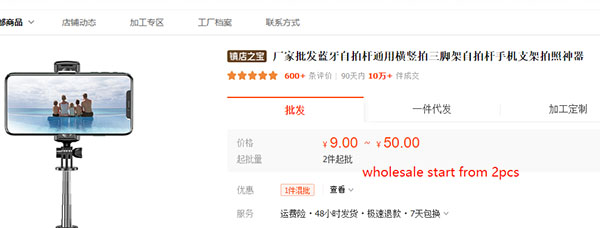
After you have found a supplier, negotiate the price and minimum order quantity (MOQ). MOQ refers to the minimum amount of products you must purchase from the supplier at one time. Negotiating the price and MOQ can help you get the best deal and ensure that you can meet the demand for your products. Fortunately, most of suppliers provide small MOQ (such as starting from 2pcs) in 1688.com.
4. Arrange Shipping and Customs Clearance
Once you have negotiated the price and MOQ, you will need to arrange shipping and customs clearance. You can use a freight forwarder or shipping agent to help you with this process. The freight forwarder will handle the logistics of getting your products from China to your destination country, while the shipping agent will handle the customs clearance process.
5. Sell Your Products on Amazon and eBay
After your products arrive, it’s time to start selling them. You can list your products on Amazon and eBay to reach a broader audience. Make sure that you optimize your product listings with high-quality images, detailed descriptions, and competitive pricing.
1688.com vs. Alibaba.com
As previously mentioned, 1688.com is a Chinese B2B e-commerce platform, while Alibaba.com is designed for international buyers. The primary difference between the two platforms is that 1688.com is entirely in Chinese, making it difficult for non-Chinese speakers to navigate. However, 1688.com often offers lower prices than Alibaba.com, making it a popular choice for those looking to import goods from China.
Tips for Selling Imported Goods on Amazon and eBay
1. Optimize Your Product Listings
Optimizing your product listings is critical to the success of your Amazon and eBay sales. Make sure that you include high-quality images, detailed descriptions, and competitive pricing to stand out from the competition.
2. Provide Excellent Customer Service
Providing excellent customer service is essential to building a loyal customer base. Respond to customer inquiries promptly, address any issues that arise, and provide fast and reliable shipping.
3. Monitor Your Competition
Monitor your competition to stay up-to-date on market trends, pricing, and new product releases. This information can help you adjust your pricing and product offerings to stay competitive.
In a word, importing goods from China can be a profitable business venture, but it requires careful research and planning. 1688.com is a popular e-commerce platform in China that offers a wide range of products at a low cost. By following the steps outlined in this article, you can start importing goods from China and selling them on Amazon and eBay to reach a broader audience.
Frequently Asked Questions
What are the first steps to start an import business from China?
Start by researching product demand in your market, identifying reliable suppliers on platforms like 1688.com, ordering samples to test quality, registering your business and obtaining any needed import licenses, finding a freight forwarder and customs broker, and calculating total landed costs including shipping, duties, and taxes before placing your first bulk order.
Do I need an import license to bring goods from China?
Import license requirements vary by country and product type. Many countries allow individuals to import goods for personal or small-business use without a special license, but commercial imports of regulated products (electronics, food, cosmetics) may require specific permits. Check your country’s customs authority website for detailed requirements.
How much capital do I need to start importing from China?
A realistic starting budget is $2,000-$5,000, covering product samples ($200-500), first bulk order ($1,000-3,000), shipping ($300-800), customs duties ($200-500), and miscellaneous costs like packaging and marketing. Starting small with test orders and scaling based on proven sales minimizes risk while building experience.
What are the biggest risks when starting to import from China?
Key risks include receiving poor-quality products, supplier fraud, shipping delays, unexpected customs duties, product compliance failures, inventory that doesn’t sell, and cash flow problems from long lead times. These risks can be mitigated through sampling, supplier verification, quality inspections, and starting with small orders before scaling.
How do I choose the right product to import from China?
Look for products with high demand but low local competition, good profit margins after all costs, manageable shipping weight and size, no complex certification requirements, and year-round demand rather than seasonal spikes. Analyze Amazon bestsellers, Google Trends, and social media to identify trending products that align with your budget and expertise.
What legal requirements should I know before importing from China?
Ensure your products meet your country’s safety standards and certifications (CE for EU, FCC for US, etc.), register your business appropriately, understand product liability laws, comply with labeling requirements (country of origin, ingredients, warnings), and follow import regulations for restricted items. Consult a trade lawyer or customs broker for specific guidance.
How long does it take to set up a China import business from scratch?
From research to first sale, expect 2-4 months: 2-3 weeks for product research and supplier sourcing, 1-2 weeks for sampling, 2-4 weeks for production, 2-4 weeks for shipping and customs, plus time for listing setup and marketing. Experienced importers with established supplier relationships can compress this to 4-6 weeks.