To check whether a Chinese supplier’s test report is genuine, obtain the complete document and verify it through the issuing organisation’s official process. A logo, report number or screenshot of a “pass” result is not enough. Record what the issuer confirms, keep any unresolved questions open, and separately check whether the report applies to the product you intend to order.
This guide is for buyers who already have a supplier’s document and need to check its origin. It does not determine which tests your product needs or establish permission to sell it in a particular country.
First, identify what the supplier actually sent
Start with the document’s title and stated subject. A supplier may call several different documents a “certificate,” so identify what you received before choosing a verification service.
| Document received | What to establish first | What not to conclude from it |
|---|---|---|
| Product test report | Who issued the report, which sample it describes and what results it records | That every unit in your order was tested |
| Management-system certificate | The named organisation, certified scope and certificate status | That your particular product has passed product testing |
| Goods inspection report | The inspected order or lot, inspection scope and issuing party | That the inspection included laboratory tests outside its scope |
| Supplier declaration | Who made the declaration and what supporting evidence it references | That an independent laboratory issued it |
For example, ISO and IAF explain that ISO 9001 certification concerns an organisation’s quality management system. It does not certify the product itself against a product standard.

Ask for the complete, unedited file
Keep the original file received from the supplier. If you need to highlight discrepancies or translate passages, work on a separate copy. A cropped picture may omit the sample description, results, limitations or pages that connect the report number to the product.
Request:
- The complete report, including any referenced attachments or amendments available from the issuer.
- The original electronic PDF where available, rather than a screenshot pasted into a quotation.
- The supplier’s explanation of how the report relates to the offered model and the named applicant or manufacturer.
- Any permission or cooperation needed for the issuing organisation to respond to a verification request.
Do not ask the supplier to edit the laboratory’s report to insert your brand or model. If a document needs correction, ask how the issuer handles corrections or amendments. Keep the earlier version so the change remains traceable.
Use the issuer’s official verification route
Find the issuing organisation’s website independently. Navigate from that site to its document verification service or published contact details. Do not rely solely on a phone number, email address or QR-code destination printed on the file you are checking.
Follow the instructions for that document type and issuing office. A directory of certified companies may not be a database of laboratory test reports. The fact that a laboratory exists also does not establish that it issued a particular PDF.
SGS’s document verification FAQ says that a report number alone is insufficient for report verification; it asks for a complete, unobstructed copy. The same FAQ describes a different route for management-system or process certificates through its certified-client directory. These are SGS procedures, not rules for every laboratory.
The official SGS document verification form accepts documents claimed to be SGS-issued. For another issuer, use that issuer’s own published process. If a supplier sends several reports from different organisations, treat each as a separate verification task.
What should you ask the issuer?
Make the request specific: can the organisation confirm whether the attached document was issued by it and whether the contents match its record? Identify the report number, issue date and file supplied. If there are amendments, ask which version should be used. The issuer may require further information or authorisation before responding.
Ask separately whether the issuer produced the document and whether its test scope supports your proposed product configuration. The second question may need a technical review.

Handle a failed lookup without jumping to a conclusion
A search that returns nothing leaves the question unresolved. Check that you used the correct service, entered the identifier accurately and supplied the requested file. Then use the issuer’s published route for further clarification.
SGS’s FAQ notes that incomplete files or damaged digital signatures can prevent immediate verification and require manual review. It also distinguishes a digital signature from a scanned handwritten signature. A signature image alone cannot settle authenticity, and a failed automatic check may need manual review.
| What you have | What it establishes | Next action |
|---|---|---|
| Issuer confirmation matching the supplied document | The authenticity point described in that response | Save the confirmation and review product applicability separately |
| No result, incomplete file or pending response | Verification remains unresolved | Obtain the missing information or request further issuer review |
| Issuer identifies a discrepancy | A specific mismatch requiring explanation | Keep the evidence, ask the supplier to resolve it and do not treat the disputed file as accepted evidence |
| Supplier assurance without independent confirmation | The supplier’s statement | Continue the agreed verification process where independent confirmation is needed |
If the report is a condition of purchase, leave that condition open until the required evidence is available. Do not mark it “checked” simply because a quotation deadline is approaching. The supplier deposit checklist explains how to connect unresolved requirements to the buyer’s payment decision.
A genuine report still needs a separate product review
Once origin is established, compare the report’s tested sample with the specification you intend to buy. Relevant differences may include model, material, components or construction. Ask a qualified technical reviewer whether an identified difference affects the evidence. Neither a similar product photograph nor the supplier’s use of the same model family settles that question.
Where laboratory accreditation matters, check the relevant scope through the accreditation body’s directory. ILAC explains that accreditation bodies maintain these directories and that accredited activities have defined scopes. It also cautions that international recognition does not guarantee acceptance by every party in a destination market.
Do not reject or accept a report solely because of its age. Ask the reviewer about the document’s date, standard, tested configuration and subsequent changes. Keep this review tied to the actual product rather than collecting more unrelated certificates.
For the physical reference and specification record, use the product sample approval checklist. Authenticity verification does not replace sample approval or bulk inspection.
Keep a short verification record with the order
Keep the verification result with the purchase record so a colleague can see what remains open. Record:
- Supplier, product reference and proposed specification revision.
- Document type, issuer, identifier, date and original filename.
- The official channel used and the date of the enquiry or lookup.
- The actual response, including any limits or unresolved questions.
- Who will review product applicability and what information they still need.
- The buyer’s decision and any purchase condition that remains open.
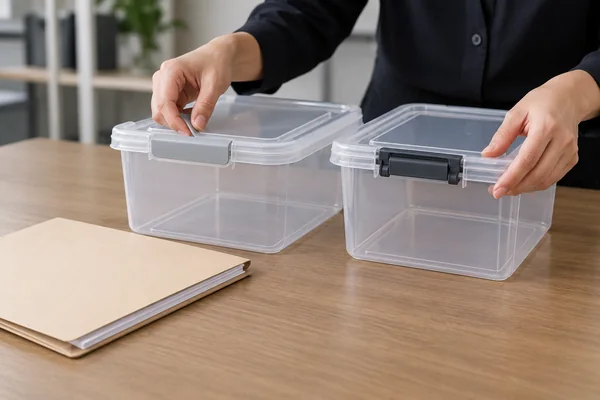
Hypothetical example: A buyer receives a report for a storage container. The issuer confirms the supplied PDF, but the buyer wants a different lid material. The record can show “authenticity confirmed” while leaving the material-change question unresolved. The buyer asks for technical review before relying on the report for the revised product. Confirmation of the file has not approved the new lid.

Where Dawon1688 can help
Dawon1688 can help coordinate supplier communication and requests for product documents. When independent testing or specialist review is required, the work and provider should be agreed with the buyer. Our service overview explains these coordination boundaries.
The issuing organisation handles authenticity questions about its documents. A qualified specialist should address technical scope where needed; Dawon1688 coordinates the agreed work rather than issuing product approvals.
To discuss China-side coordination, contact Dawon1688 with the product link, proposed specification, destination market and the document question you need resolved. Confirm the required work before ordering or arranging additional testing.
Frequently asked questions
1. Can I verify a supplier’s test report using only its report number?
That depends on the issuer’s process. SGS says a report number alone is insufficient for its report verification and asks for the complete document. Follow the issuing organisation’s instructions rather than assuming a number lookup is enough.
2. Is a screenshot of a test report enough?
A screenshot may omit pages, limitations or the tested sample description. Request the complete original electronic document where available and preserve it unchanged for the issuer’s verification process.
3. Does no result in a verification search mean the report is fake?
No. The wrong lookup service, incomplete information or a file problem may leave verification unresolved. Check the instructions and ask the issuer for clarification before making an accusation or accepting the report.
4. Does an ISO 9001 certificate prove that my product passed testing?
No. ISO 9001 concerns an organisation’s quality management system. A product test report addresses a specified sample and testing scope. Identify the document type before deciding what evidence it provides.
5. Can I trust a QR code printed on the report?
Use the issuer’s official guidance and check the destination carefully. A QR code is a route to information, not a substitute for confirming that the information comes from the actual issuing organisation.
6. Does an authentic report cover a product with different materials or components?
Not automatically. Ask a qualified reviewer whether the tested configuration supports the proposed specification and whether further evidence or testing is needed. Keep the difference unresolved until that review is complete.
7. Do all test reports expire after one year?
Do not apply a universal age limit. Review the report date, relevant standard, tested product, changes and any applicable requirements with a qualified specialist. A recent date alone also does not establish suitability.
8. Can Dawon1688 verify or certify the product for me?
Dawon1688 can coordinate supplier document requests and agreed work with an independent provider. It is not the issuing laboratory or certification body. Confirm the verification or testing scope, provider and buyer approvals before proceeding.