
Importing from China can be a great way to source products for your business at a lower cost. With the rise of e-commerce platforms like 1688.com and Alibaba.com, it has become easier than ever to connect with Chinese suppliers and manufacturers. However, there are still many factors to consider when importing from China to ensure a successful transaction. In this article, we will discuss how to import from China and share some tips for working with Chinese suppliers.

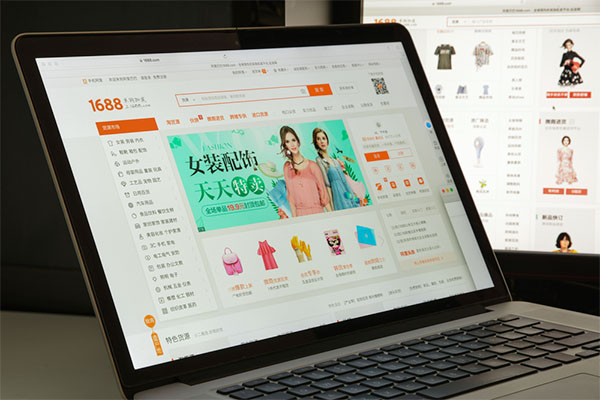
Firstly, it is important to do your research and find a reliable supplier. Both 1688.com and Alibaba.com are popular e-commerce platforms where you can find a wide range of suppliers and products. However, it is important to note that not all suppliers are created equal. Take the time to read reviews and ratings from other buyers to get a sense of the supplier’s reputation. Additionally, consider reaching out to the supplier directly to ask questions and gauge their responsiveness.
Once you have identified a supplier, the next step is to negotiate the terms of the transaction. This includes the price, delivery time, and payment terms. It is common practice to negotiate the price with the supplier to ensure that you are getting a fair deal. Keep in mind that the cheapest option may not always be the best option. Consider the quality of the product, the supplier’s reputation, and the delivery time when making your decision.
When it comes to payment, it is important to be cautious. Consider using a secure payment platform like Alibaba’s Trade Assurance. The platform offers protection in case of a dispute and can help ensure that your transaction goes smoothly.

Once you have agreed on the terms, it is time to place your order. Be sure to provide clear instructions to the supplier, including the product specifications, packaging requirements, and delivery details. It is also a good idea to request a sample of the product before placing a larger order. This can help you verify the quality of the product and ensure that it meets your requirements.
When the product is ready, the supplier will arrange for shipping. Depending on the size and weight of the product, there are several shipping options available. Air freight is the fastest but also the most expensive option, while sea freight is slower but more cost-effective for larger shipments. It is important to factor in shipping costs when calculating the total cost of the product.

Finally, when the product arrives, be sure to inspect it carefully. Check that the product meets your specifications and that there is no damage or defects. If there are any issues, be sure to communicate with the supplier as soon as possible to resolve the problem.
In summarize, importing from China can be a great way to source products for your business at a lower cost. However, it is important to do your research and work with a reliable supplier to ensure a successful transaction. Platforms like 1688.com and Alibaba.com offer a wide range of suppliers and products, but it is important to vet suppliers carefully and negotiate the terms of the transaction. By following these tips, you can successfully import products from China and grow your business.
Related Articles
- How to Start Importing Goods from China?
- How to Import from China and Start a Business?
- How to Buy Directly from China?
- How to Buy from China and Sell on Amazon?
Frequently Asked Questions
What documents do I need to import goods from China?
Essential import documents include a commercial invoice, packing list, bill of lading (or airway bill), certificate of origin, and any product-specific certifications (CE, FCC, FDA, etc.). Your country may also require an import license or permit for certain product categories. Work with a customs broker to ensure all documentation is complete and accurate.
How do I calculate import duties and taxes for Chinese products?
Import duties are calculated based on your product’s HS (Harmonized System) code and its customs value (product cost plus shipping and insurance). Check your country’s tariff schedule for the applicable rate. Additionally, most countries charge VAT or sales tax on imports. Use online duty calculators or consult a customs broker for accurate estimates.
What is the typical shipping time from China to international destinations?
Air freight takes 5-10 days, express courier (DHL, FedEx) takes 3-7 days, and sea freight takes 15-40 days depending on the destination port. Production lead time (typically 7-30 days) is additional. Plan your total timeline as production plus shipping, and factor in potential delays during Chinese holidays like Chinese New Year.
Should I use air freight or sea freight for importing from China?
Choose air freight for urgent shipments, high-value products, or orders under 100kg. Choose sea freight for large volumes, heavy items, or cost-sensitive shipments over 100kg. Sea freight is significantly cheaper per kg for bulk orders but takes 3-6 weeks longer. Many importers use sea freight for regular inventory and air freight for urgent restocks.
How do I find a reliable customs broker for Chinese imports?
Look for licensed customs brokers with experience in Chinese imports and your product category. Ask for references, check their familiarity with your country’s import regulations, and verify they handle the ports you plan to use. Freight forwarders often offer integrated customs brokerage services, simplifying the process.
What are common import restrictions for goods from China?
Restricted items vary by country but often include certain electronics without safety certifications, food products without health approvals, counterfeit goods, weapons, and items violating intellectual property rights. Check your country’s customs website for prohibited and restricted items lists before placing orders on platforms like 1688.com.
How can I reduce shipping costs when importing from China?
Reduce costs by consolidating multiple orders into one shipment, choosing sea freight for bulk orders, using a freight forwarder who specializes in China routes, negotiating shipping rates based on volume, and optimizing packaging to reduce dimensional weight. Working with a 1688 agent who offers consolidated shipping can also lower per-unit logistics costs.