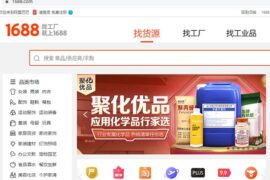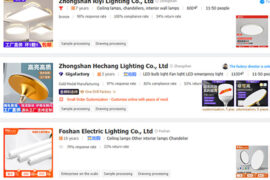
Buying from 1688.com offers incredible opportunities for international sourcing, but it also comes with unique challenges that buyers should understand before diving in. As China’s largest domestic B2B marketplace, 1688.com provides access to factory-direct pricing and millions of products — but navigating the platform requires preparation and strategy.
Challenge 1: Language Barrier
The most immediate challenge for international buyers is that 1688.com operates entirely in Chinese. Product titles, descriptions, specifications, supplier communications, and even the user interface are all in Chinese. This creates several obstacles:
- Search difficulty: English keywords yield limited results; Chinese keywords are essential for finding the full range of products
- Misunderstanding specifications: Product details may be misinterpreted without proper translation
- Communication gaps: Most suppliers do not speak English, making negotiations difficult
- Legal terms: Terms of service, return policies, and contracts are in Chinese
Solution: Use browser-based translation tools (Google Translate, DeepL), learn key Chinese e-commerce terms, or work with a sourcing agent who handles all communication.

Challenge 2: Payment Methods
1688.com is designed for Chinese domestic transactions, which means international payment methods are not directly supported:
- Alipay required: The platform primarily uses Alipay for transactions, which requires a Chinese bank account or Alipay account
- Bank transfers: Chinese domestic bank transfers (RMB) are the alternative, but require a Chinese bank account
- No international cards: Foreign credit cards, PayPal, and other international payment methods are not accepted
- Currency conversion: Transactions are in Chinese Yuan (RMB), requiring currency conversion at applicable rates
Solution: Use a sourcing agent with established payment infrastructure, or set up a Chinese bank account if you plan regular purchases.

Challenge 3: Quality Control
When buying from 1688.com, you cannot physically inspect products before purchase. This creates quality risks:
- Product variation: Actual products may differ from photos in materials, color, or quality
- Inconsistent quality: Batch-to-batch variation, especially from smaller manufacturers
- Counterfeit products: Some listings may use brand names without authorization
- Specification ambiguity: Technical specifications may be incomplete or inaccurate
Solution: Always request samples before bulk orders, arrange third-party quality inspection, and check supplier verification status and buyer reviews.

Challenge 4: Shipping and Logistics
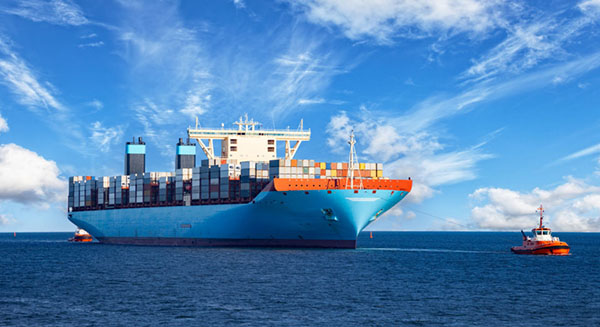
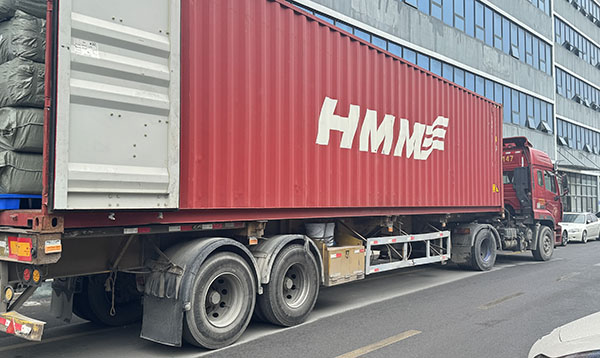
Products purchased on 1688.com ship to Chinese domestic addresses only. International buyers must arrange separate forwarding:
- Domestic shipping required: Products must first ship to a Chinese address (warehouse or agent)
- Consolidation needed: Multiple orders from different suppliers need to be consolidated for cost-effective international shipping
- Export documentation: Customs declarations, certificates of origin, and other export paperwork must be prepared
- Shipping method selection: Choosing between sea, rail, air, or express shipping based on cost, speed, and product type
Solution: Work with a freight forwarder or sourcing agent who provides warehousing, consolidation, and international shipping services.
Challenge 5: Supplier Verification
While 1688.com has verification systems, not all suppliers are equally reliable:
- Mixed supplier types: The platform includes manufacturers, trading companies, and individual sellers
- False claims: Some suppliers claim to be manufacturers but are actually trading companies
- Inconsistent communication: Response times and professionalism vary widely
- After-sales support: Warranty and return policies may be unclear or difficult to enforce
Solution: Look for “源头工厂” (source factory) badges, check transaction history and buyer reviews, and verify business licenses. Learn more about key aspects to note when purchasing.
Challenge 6: Intellectual Property and Compliance
International buyers must be aware of IP and regulatory issues:
- Brand restrictions: Some products may infringe on trademarks or patents in your destination country
- Product compliance: Products must meet your country’s safety, labeling, and certification standards (CE, FDA, etc.)
- Customs seizures: Non-compliant products may be seized at customs, resulting in financial losses
- Documentation requirements: Proper certificates of origin and compliance documentation are essential
Solution: Research IP and regulatory requirements before purchasing, request necessary certifications from suppliers, and work with a 1688 sourcing agent who understands compliance.
Is Buying from 1688.com Worth It?
Despite these challenges, the benefits of buying from 1688.com far outweigh the difficulties for most buyers. The key is preparation:
- Understand the platform and its limitations
- Plan for language, payment, and shipping needs in advance
- Work with experienced partners when needed
- Start with small orders to test the process
- Build relationships with reliable suppliers over time
With the right approach, 1688.com can be your gateway to significant cost savings and access to China’s vast manufacturing capabilities.
Related Articles
- What is 1688.com?
- Advantages of Buying on 1688
- 10 Aspects to Note When Purchasing from 1688
- How to Order on 1688?
Frequently Asked Questions
What are the biggest challenges of buying from 1688.com as a foreigner?
The main challenges are the Chinese-only interface, requiring Chinese payment methods (Alipay with Chinese bank), needing a Chinese shipping address, language barriers in supplier communication, difficulty verifying supplier quality remotely, navigating Chinese customs and export procedures, and managing returns or disputes across borders. Purchasing agents can solve most of these challenges.
How do I overcome the language barrier on 1688.com?
Use browser translation tools (Google Translate, Edge translator) for page navigation, translate keywords to Chinese for product searches, use image translation apps for product photos with Chinese text, and hire a purchasing agent for complex supplier communications. Many buyers successfully use 1688 with just translation tools for basic orders.
What should I do if a 1688 supplier refuses to ship internationally?
Most 1688 suppliers only ship domestically. Use a Chinese freight forwarder’s address as your delivery destination, and the supplier will ship domestically. Your forwarder then handles international shipping. If a supplier still refuses, find another supplier or use a purchasing agent whose address suppliers are familiar with.
How can I protect myself from supplier fraud on 1688?
Only use suppliers with verified badges and high transaction volumes, pay exclusively through Alipay escrow (never outside the platform), order samples before bulk purchases, request business licenses and factory photos, and use third-party inspection services. 1688’s platform protections are strong when used correctly, but bypassing them removes your safety net.
What happens if my 1688 order gets stuck in customs?
Customs delays usually result from incomplete documentation, restricted products, or unpaid duties. Work with your freight forwarder or customs broker to provide any requested documents and pay applicable duties. To prevent delays, ensure products have proper certifications and accurate customs declarations before shipping. Your forwarder should proactively notify you of any customs issues.
How do I handle quality disputes with 1688 suppliers?
Document issues with photos and videos immediately, do not confirm receipt on the platform, file a dispute within the dispute window (7-15 days), and provide clear evidence. 1688’s customer service mediates disputes, and Alipay escrow ensures your payment is protected. For ongoing supplier relationships, address issues professionally to maintain goodwill.
What payment challenges do international buyers face on 1688?
1688 requires Chinese payment methods (Alipay linked to a Chinese bank account, Chinese bank transfers, or Chinese credit cards). International credit cards and PayPal are not accepted. Solutions include opening an international Alipay account (limited functionality), using a purchasing agent for payments, or partnering with someone who has a Chinese bank account.