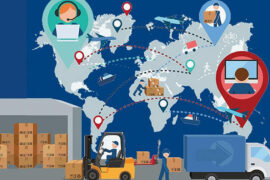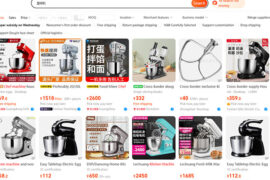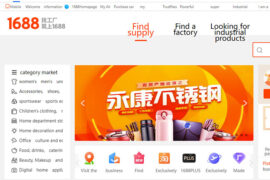
China, known for its vast manufacturing capabilities and competitive pricing, offers numerous opportunities for international buyers to source products directly from manufacturers. By bypassing intermediaries, buyers can often secure better prices and build direct relationships with suppliers. In this article, we will provide a comprehensive guide on how to buy-directly-from-manufacturer, empowering you to navigate the process with confidence.
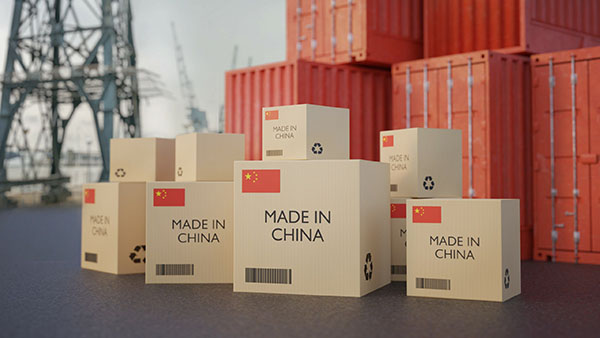
1. Conduct Thorough Market Research:
Before embarking on the buying process, conduct thorough market research to understand the product landscape, industry trends, and pricing expectations. Identify your target market, assess demand, and determine the specific products you wish to source from China.

2. Identify Reliable Suppliers:
a. Online Platforms:
Utilize reputable B2B platforms such as 1688.com, Alibaba.com, GlobalSources.com, or Made-in-China.com to search for suppliers. These platforms offer extensive databases of manufacturers and suppliers across various industries.
b. Supplier Verification:
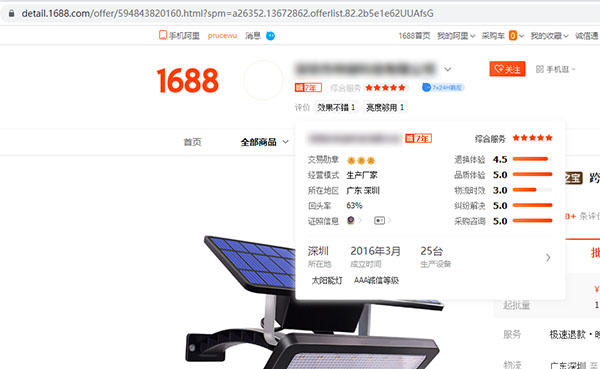
Look for suppliers with a strong track record, positive reviews, and certifications relevant to your industry. Verify their credibility by checking their business licenses, certifications, and company profiles.
3. Establish Communication:
a. Initial Contact:
Reach out to potential suppliers via email or through the messaging platforms provided on B2B platforms. Clearly articulate your requirements, including product specifications, quantities, and desired pricing.
b. Language Considerations:
Keep in mind that many Chinese suppliers may have limited English proficiency. Consider using translation tools or hiring a local agent or interpreter to facilitate effective communication.

4. Negotiate Pricing and Terms:
a. Quantity and Pricing:
Discuss pricing based on the desired quantity of products you wish to order. Larger orders often yield better pricing. Compare quotes from multiple suppliers to ensure competitiveness.
b. Payment Terms:
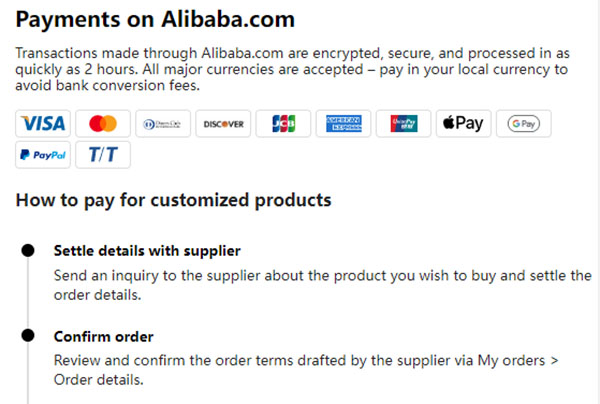
Discuss payment methods, such as bank transfers or escrow services, and agree upon terms that provide security for both parties. Consider using secure payment platforms like PayPal or Alibaba’s Trade Assurance for added protection.
5. Quality Assurance.
a. Product Samples:
Request product samples from potential suppliers to evaluate their quality. Pay for the samples and shipping costs, if necessary. Thoroughly assess the samples to ensure they meet your standards before proceeding with bulk orders.
b. Quality Control Measures:
Clearly communicate your quality expectations, including product specifications, materials, packaging, and labeling requirements. Regularly communicate with suppliers during the production process to address any concerns and maintain quality control.
 6. Arrange Shipping and Logistics.
a. Shipping Methods:
Determine the most suitable shipping method based on the nature of your products, budget, and delivery timelines. Options include air freight, sea freight, or courier services.
b. Incoterms:
Agree on the Incoterms (International Commercial Terms) with your supplier, specifying the responsibilities and costs associated with shipping, customs clearance, and delivery. Common Incoterms include FOB (Free On Board) and CIF (Cost, Insurance, and Freight).

7. Customs and Import Regulations.
a. Research Import Regulations:
Familiarize yourself with the customs regulations, import duties, taxes, and any specific requirements of your country for the products you intend to import from China.
b. Documentation:
Ensure you have the necessary documentation, including commercial invoices, packing lists, and any required certificates or permits, to facilitate smooth customs clearance.
8. Building Long-Term Relationships:
a. Trust and Reliability:
Cultivate trust and reliability by maintaining open and transparent communication with your suppliers. Timely payments, providing feedback, and demonstrating commitment to long-term partnerships can help foster strong relationships.
b. Continuous Supplier Evaluation:
Regularly review and evaluate your suppliers’ performance to ensure they consistently meet your quality and delivery requirements. Maintain a list of reliable suppliers for future sourcing needs.

In a world.
Buying directly from China offers numerous advantages, including competitive pricing and the opportunity to build direct relationships with manufacturers. By following the steps outlined in this guide, conducting thorough research, establishing reliable communication channels, negotiating effectively, ensuring quality control, and understanding the logistics and customs processes, you can successfully navigate the buying process and source products directly from China with confidence.
Frequently Asked Questions
What are the safest ways to buy products directly from China?
Use established platforms like 1688.com with escrow payment protection, verify supplier credentials, order samples before bulk purchases, use third-party quality inspections, work with licensed freight forwarders, and maintain all communication through the platform’s messaging system. These practices minimize risk while accessing China’s competitive manufacturing prices.
How do I avoid scams when buying directly from Chinese suppliers?
Never pay outside the platform, check supplier verification badges and business licenses, be wary of prices significantly below market average, request video calls to verify factory operations, use escrow payment systems, and start with small test orders. Legitimate suppliers on 1688 are verified by Alibaba Group and have transaction histories you can review.
What payment methods are safest for direct purchases from China?
The safest method is paying through 1688’s Alipay escrow system, which holds funds until you confirm receipt. Avoid direct bank transfers, Western Union, or cryptocurrency payments to unknown suppliers. For large orders, consider a letter of credit (L/C) through your bank for additional security.
Can I buy directly from China without a business license?
Yes, individuals can buy from 1688.com and other Chinese platforms. However, for commercial importation, many countries require a business registration and import license. Small personal imports below a certain value (usually $800-$2,500 depending on country) often enter duty-free, making small-scale purchasing accessible without formal business registration.
How do I arrange shipping when buying directly from China?
Use a freight forwarder experienced in China-to-your-country routes. Provide their Chinese warehouse address as the delivery destination on 1688. They handle consolidation, international shipping, and customs documentation. For small orders, international express couriers (DHL, FedEx) offer door-to-door service. For bulk orders, sea freight is more economical.
What are the advantages of buying directly from China versus using local distributors?
Direct purchasing from China offers 30-70% lower prices, access to a wider product range, ability to customize products, direct supplier relationships, and control over quality. Local distributors offer convenience and faster delivery but charge significant markups. For businesses with volume needs, direct sourcing through 1688.com is far more cost-effective.
How long does direct shipping from China typically take?
Express courier (DHL, FedEx): 3-7 days. Air freight: 5-10 days. Sea freight: 15-40 days depending on destination. Add 1-5 days for domestic Chinese shipping to your forwarder and 2-7 days for customs clearance. Total door-to-door time ranges from 1 week (express) to 6 weeks (sea freight) including production lead time.