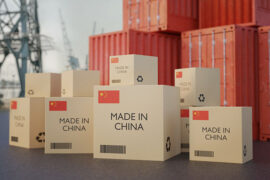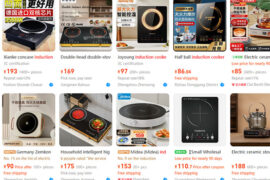
In the dynamic landscape of global trade, strategic sourcing of electronic products plays an important role in meeting market demands efficiently. China’s abundant electronic manufacturing sector, coupled with the convenience of platforms like 1688, offers opportunities for businesses seeking quality products at competitive prices.
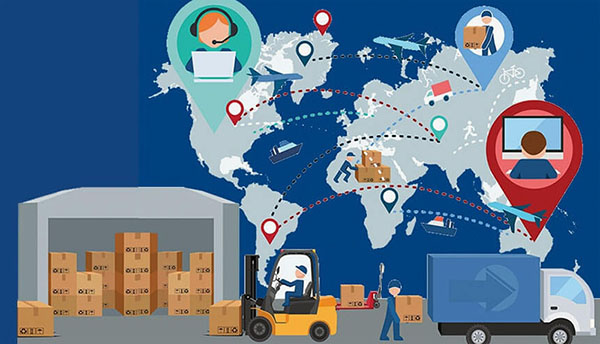
Step 1: Setting the Foundation with Local Agents
Engage Local Agents:
Collaborate with trusted local agents in China who can assist in navigating the complexities of the procurement process and offer insights into the best suppliers.
Establish Communication Channels:
Ensure seamless communication channels with your local agents for effective coordination and real-time updates on product availability and pricing.

Step 2: Warehouse Optimization for Cost Efficiency
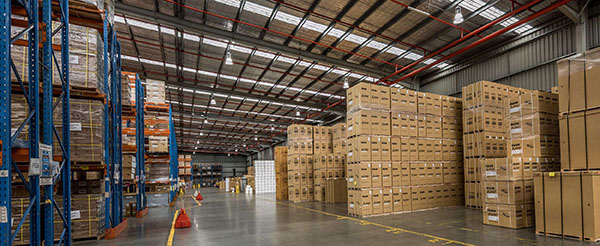
Utilize Local Warehouses: Explore the option of leveraging local warehouses in China for consolidating shipments and optimizing storage costs before international transportation.
Strategic Inventory Management: Implement efficient inventory management practices to minimize holding costs and streamline the fulfillment process for orders bound for the Netherlands.
Step 3: Procurement and Logistics Planning
Negotiation for Low-Cost Solutions: Work closely with local agents and suppliers on 1688 to negotiate competitive prices and bulk discounts for electronic products without compromising on quality.
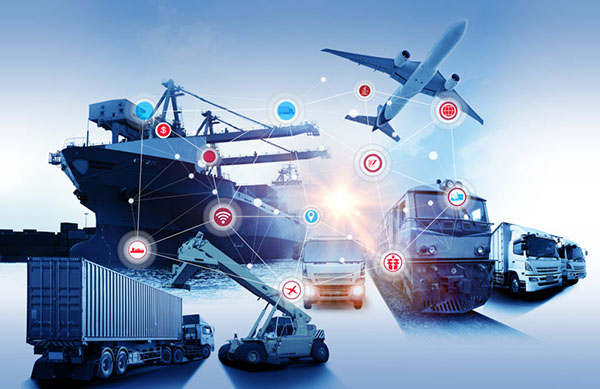
Optimized Shipping Routes: Collaborate with logistics partners to identify cost-effective shipping routes and modes of transportation to ensure timely delivery to warehouses in the Netherlands.
Step 4: Customs Compliance and Clearance
Customs Regulations: Stay updated on the customs regulations of the Netherlands to facilitate smooth clearance processes and minimize delays in product delivery.
Documentation Management: Ensure accurate and complete documentation for each shipment to expedite customs clearance and prevent any unforeseen issues.
In Summary:
By leveraging local agents and warehouses in China, businesses can streamline their sourcing processes, reduce costs, and enhance operational efficiency when procuring electronic products for the Netherlands through platforms like 1688. Embracing a strategic approach that focuses on cost-effective solutions and efficient logistics can pave the way for successful cross-border trade ventures.
This tailored version integrates the aspects of local agents, warehouses, and cost optimization. Feel free to adjust and expand the content based on your specific requirements. If you need further assistance or have any additional requests, please let me know.
For more information, visit 1688.com wholesale marketplace — China’s largest B2B platform.
Related Articles
- How to Purchase an Induction Cooker from China?
- How to Purchase Smartwatches from China to France?
- How to Import Stand Mixer from China?
- How to Import Electronics from China?
Frequently Asked Questions
What are the import regulations for electronics in the Netherlands?
The Netherlands follows EU import regulations requiring CE marking, RoHS compliance, and REACH compliance for electronic products. You also need an EORI number for customs declarations. Products with wireless features need RED (Radio Equipment Directive) compliance. Check the Dutch Customs Authority (Douane) website for specific product requirements and restricted items.
Do I need CE marking for electronic products imported from China to the Netherlands?
Yes, CE marking is mandatory for electronic products sold in the Netherlands and the entire EU. The manufacturer must provide a Declaration of Conformity and technical documentation. Ensure your Chinese supplier can provide valid CE certificates with test reports from recognized labs. Products without CE marking cannot be legally sold in the Netherlands.
How do I calculate VAT and import duties for electronics in the Netherlands?
The Netherlands applies 21% VAT on imported goods (calculated on customs value plus duties plus shipping). Import duties for electronics typically range from 0-14% depending on the HS code. Use the EU TARIC database to find exact duty rates. A customs broker can provide accurate calculations and handle the declaration process.
What shipping methods work best for electronics from China to the Netherlands?
Air freight via Schiphol Airport (5-10 days) is ideal for urgent or high-value electronics. Sea freight via Port of Rotterdam (25-35 days) is more economical for bulk orders. Express courier (DHL, FedEx) works for small packages (3-7 days). Consider consolidating shipments through a freight forwarder who specializes in China-Netherlands routes.
Are there restricted electronic products that cannot be imported into the Netherlands?
Yes, certain electronics are restricted including those without CE marking, products containing banned hazardous substances (violating RoHS), counterfeit branded electronics, and some radio-frequency devices without proper RED compliance. Lithium batteries have special shipping regulations. Check the EU’s RAPEX system for product safety alerts and the Dutch Customs restricted items list.
How long does shipping from China to the Netherlands typically take?
Express courier: 3-7 days. Air freight: 5-10 days. Sea freight: 25-35 days via Rotterdam. Add 1-3 days for customs clearance and 1-2 days for domestic Dutch delivery. Production lead time (7-30 days) is additional. Plan total order-to-delivery time as 4-8 weeks depending on shipping method and product customization.
What Dutch customs documentation do I need for Chinese electronics?
Required documents include commercial invoice, packing list, bill of lading or airway bill, CE certificates, Declaration of Conformity, and EORI number. Your customs broker or freight forwarder handles the import declaration. Ensure all documents are accurate and in English or Dutch. Incorrect documentation can cause customs delays or fines.